BYD Finally Dethrones Tesla as the King of EVs (And It Wasn’t Even Close)
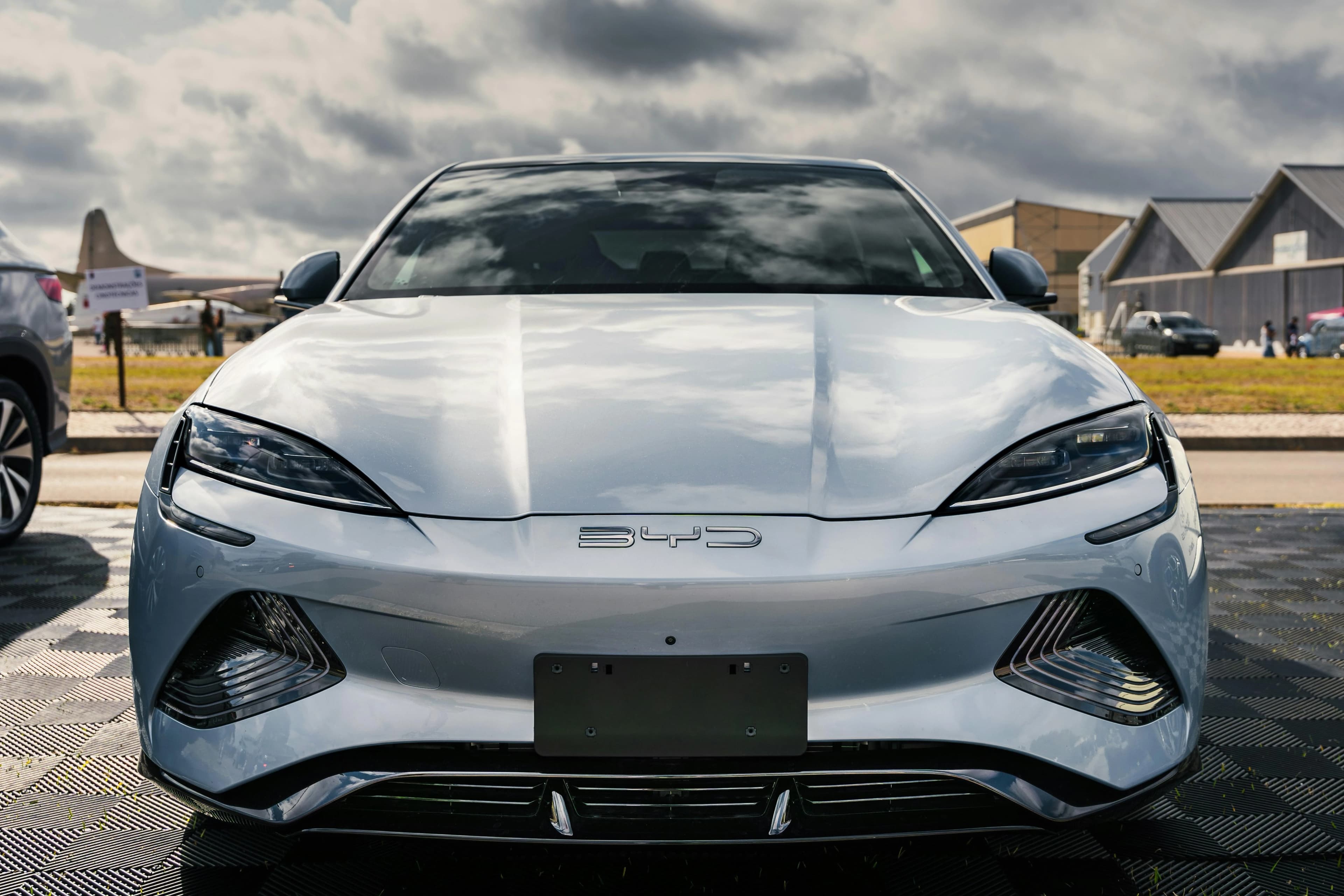
It officially happened. We all knew it was coming—like a slow-moving freight train or a software update that bricks your infotainment system—but the official 2026 numbers have dropped, and the EV world has a new monarch. BYD didn’t just squeak past Tesla; they blew the doors off. The Chinese giant moved a staggering 2.26 million pure EVs in 2025, while Tesla stumbled backward, delivering 1.64 million units—a 9% drop from the previous year.
But if you just look at the scoreboard, you miss the actual game. The "why" here is infinitely more interesting than the "how many." This isn't just a sales blip; it is a fundamental shifting of the tectonic plates that hold up the global automotive market.
Tesla spent 2025 fighting a war on three fronts it couldn’t win. First, they were saddled with an aging lineup that feels increasingly stale. The Model Y, once the revolutionary darling of the cul-de-sac, is starting to look like the Toyota Camry of EVs—competent, everywhere, and frankly, a bit boring. Second, the expiration of the $7,500 U.S. federal tax credit in late 2025 acted like a parachute deploying behind a drag racer, killing momentum instantly. And third, they have a CEO who seems more interested in political X-fights and robotaxis than building a $25,000 car that normal humans can actually buy.
Meanwhile, BYD spent the year doing something radical: building cars for everyone. While Tesla was trying to convince us that a stainless-steel triangle was the future of trucking, BYD was flooding the global market with the Seagull—a competent, stylish little EV that costs less than a decent used Corolla. From dirt-cheap commuters to high-end supercars, they have a product for every tax bracket. They didn't rely on a "cult of personality" to move metal; they relied on price and volume.
This shift signals the harsh reality for 2026: The era of the "cool tech bro" EV dominance is officially over. We have entered the era of brutal manufacturing efficiency. BYD is vertically integrated to a terrifying degree—they make their own batteries, their own chips, and probably the coffee in the breakroom. That allows them to slash prices in a way Tesla, with its reliance on external suppliers and margin-focused shareholders, simply can't match. When you own the mine and the factory, you can weather price wars that bankrupt your competition.
What does this mean for the global market in 2026? Expect panic. Western automakers are going to scramble for partnerships (or trade barriers), and Tesla will likely have to do the one thing it hates: act like a normal car company. We're talking traditional advertising, actual model refreshes that involve more than a new bumper, and maybe—just maybe—admitting that you can't run a global automotive empire on vibes alone.
The psychological impact of this dethroning cannot be overstated. For a decade, Tesla was synonymous with Electric Car. If you bought an EV, you bought a Tesla. Now, the market has fractured. The mystique is gone. Tesla is just another car company with inventory issues and sales targets to miss. BYD has proven that the future of the electric car isn't about who can tweet the loudest, but who can build the most cars for the least amount of money. And right now, nobody—absolutely nobody—is doing that better than BYD.