Bugatti, Rimac, and the Solid-State Battery Dream: 2030’s Unobtainium
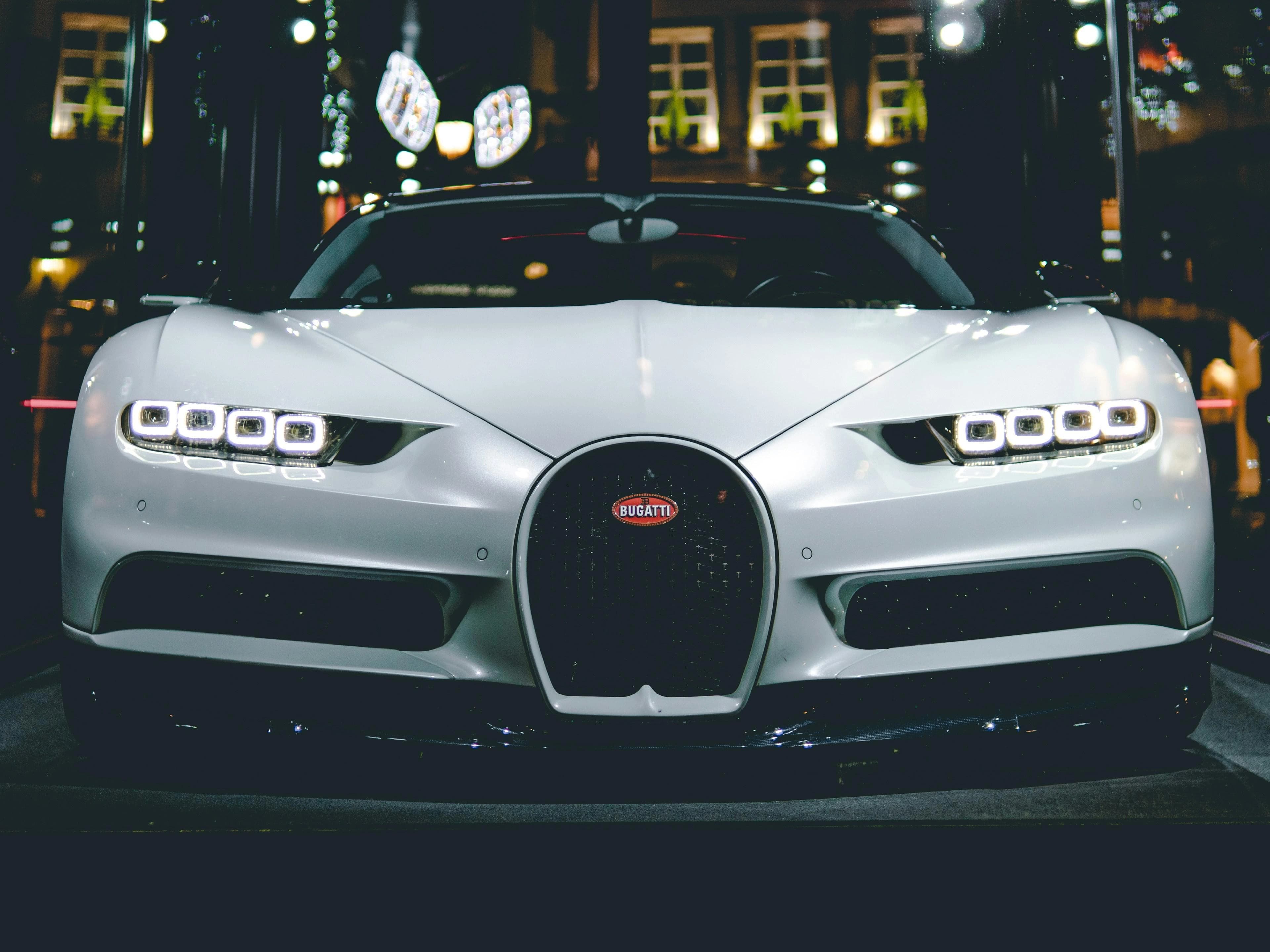
There is the automotive world we live in, and then there is the automotive world Mate Rimac lives in. While most manufacturers are struggling to get their infotainment screens to stop freezing, the CEO of Bugatti-Rimac is casually outlining a future that sounds like science fiction. In a recent update on the brand's post-W16 direction, details have emerged about the technology that will power the next generation of Bugattis around 2030. The headline? Solid-state batteries and ultra-compact e-axles. It is a flex of engineering muscle that serves as a reminder that the hypercar segment is still the laboratory for the future.
Solid-state batteries have been the "next big thing" for about a decade now. They promise higher energy density, faster charging, and better safety than our current liquid-electrolyte lithium-ion packs. The problem has always been manufacturing them at scale without bankrupting the company. Rimac, however, seems confident that they can deploy this tech in a Bugatti application by the turn of the decade. And why not? When your customer base considers a three-million-dollar price tag "reasonable," you have a little more wiggle room for expensive R&D than, say, Honda.
The proposed tech involves battery cells that are structurally integrated into the chassis to save weight, paired with e-axles that are shockingly small for the power they deliver. This is crucial for Bugatti. The brand's identity is built on excess—excessive speed, excessive luxury, and excessive weight. To transition to electric (or heavily hybridized) power without losing that granite-hewn stability and soul, they need energy density that current tech just can't provide. A 5,000-pound EV handles differently than a 4,500-pound gas car. Rimac’s goal is to use solid-state tech to cheat the scales, keeping the cars agile enough to deserve the badge.
But here is the interesting part for those of us who don't have a private island: the potential for licensing. The report suggests that while this tech will debut in the stratosphere of the market, it could be licensed to mainstream automakers by 2035, provided costs fall as projected. This follows the classic "trickle-down" theory of automotive tech. Disc brakes, ABS, and carbon fiber all started on race cars and exotics before finding their way to the Camry. Rimac is positioning his company not just as a car builder, but as a tier-one supplier of advanced electrification tech. He wants to be the Intel Inside for the EV world.
It is a bold timeline, and the automotive graveyard is full of companies that promised solid-state breakthroughs and failed to deliver. However, Rimac has a track record of actually shipping what he promises. The Nevera is real, fast, and terrifyingly competent. If anyone can crack the code on packaging this tech for a production vehicle, it’s likely this team. The integration of Bugatti's heritage with Rimac's silicon-valley-speed innovation is proving to be a potent mix.
For now, this is all aspirational. We are watching the blueprints for a castle in the sky. But it gives us a roadmap. The internal combustion engine had a century of refinement. The electric powertrain is still in its toddler phase. Watching Bugatti and Rimac push the boundaries gives us a glimpse of what the adult version of the EV might look like: lighter, faster, and powered by batteries that don't need a cooling system the size of a refrigerator. It’s a 2030 vision that makes the wait feel a little more bearable.