BMW M’s Make-Believe: Simulated Shifts for the Soul
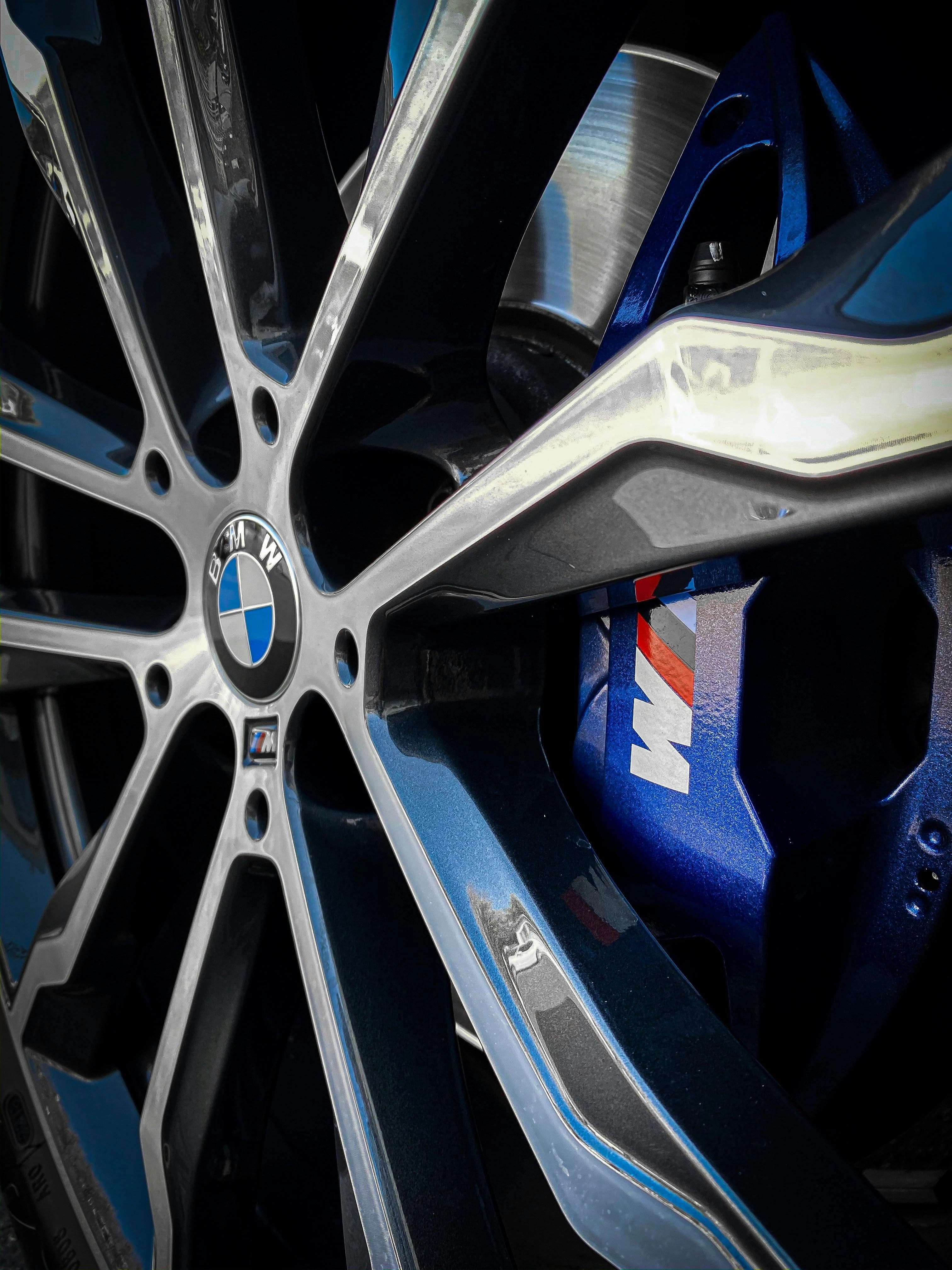
If you ask a purist what makes a BMW M car special, they’ll likely ramble on about steering feedback, the balance of a straight-six, and the tactile joy of clicking through gears. If you ask Frank van Meel, the head of BMW’s M Division, he’ll tell you that what you actually need is a very expensive computer that mimics the sensation of things that aren't actually happening. As BMW prepares to launch its first fully electric M3 in 2027, the brand is facing a bit of a mid-life crisis: how do you make a 1,000-horsepower electric sled feel like an Ultimate Driving Machine instead of a very fast elevator?
The answer, apparently, is simulation. Van Meel has been vocal about the development of simulated gearshifts and synthetic engine noises for future electric M models. The idea is to provide the driver with the haptic and auditory cues that we’ve spent the last century associating with performance. Think of it as a video game that you can actually crash. While some might call this "fakery" or "automotive theater," BMW argues that these sensations are vital for a driver to judge speed and load without constantly staring at a digital speedometer.
It’s a controversial move, to say the least. We’ve already seen Hyundai attempt this with the Ioniq 5 N, which uses "N e-Shift" to mimic an eight-speed dual-clutch transmission. To the surprise of almost everyone, it’s actually quite fun. It gives the car a sense of rhythm that is often missing in the linear, soul-sucking acceleration of most high-performance EVs. BMW wants to take this a step further, integrating the fake shifts into the very DNA of the car’s handling characteristics.
The skepticism from the enthusiast community is understandable. We are living in an era where "authentic" is a marketing buzzword used to sell everything from artisanal toast to leather interiors made of recycled mushrooms. When you’re paying six figures for a vehicle with the most famous letter in the automotive alphabet on the trunk, you generally want the performance to be a result of mechanical engineering, not a software patch. However, we have to face the cold, hard reality: electric motors are inherently silent and don't require gears. Without some form of sensory input, a 1,000-hp car is just a recipe for a very expensive insurance claim.
If the idea of a simulated M-car makes you want to retreat to the safety of a used E46 M3 with a manual transmission, you aren't alone. The market for traditional, gasoline-powered performance is still incredibly vibrant for those who know where to look. Platforms like OptiCar allow you to browse millions of vehicles across the country, making it significantly easier to find that one specific naturally aspirated unicorn before they all end up in museums or private collections.
Ultimately, BMW is trying to solve a problem that didn't exist until we decided to swap fuel injectors for lithium-ion cells. If simulated shifts allow the M3 to retain its crown as the benchmark for sports sedans, then perhaps a little make-believe isn't the end of the world. After all, we’ve been tolerating "piped-in" engine noise through speakers for over a decade now. If the "fake" shifts make the car more engaging to drive on a canyon road, we might just have to swallow our pride and enjoy the show. Just don't expect us to call it "mechanical."