BMW Finally Admits Their Grilles Got Out of Hand
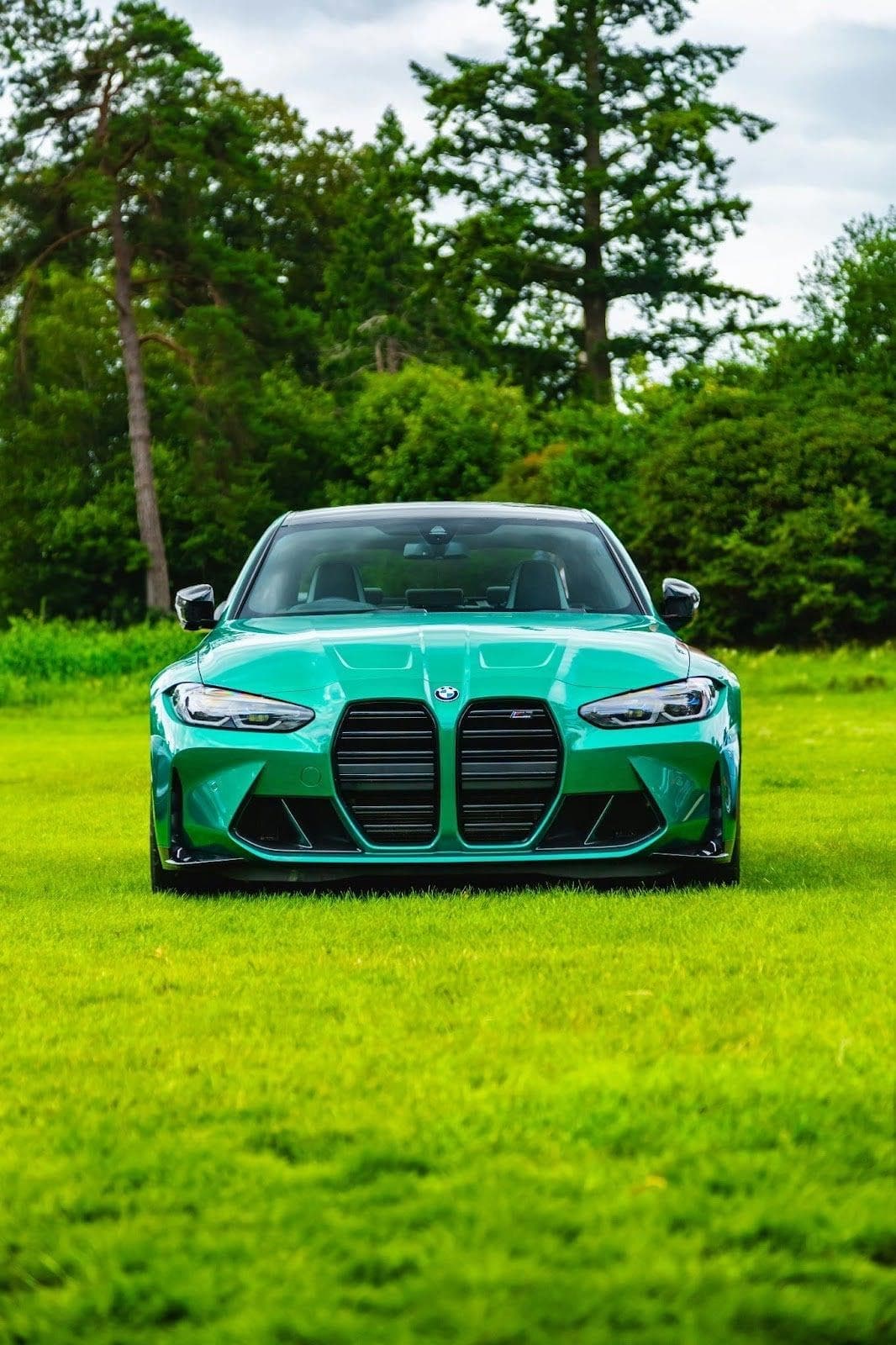
In what might be the most shocking automotive admission since Toyota said the Supra was actually a BMW, BMW's design chief has acknowledged that maybe, just maybe, they went a little overboard with the kidney grille thing. Speaking at a design conference in Germany, Adrian van Hooydonk essentially said "our bad" about the increasingly massive grilles that have been sprouting on BMWs like some kind of automotive fungus.
For those who've been living in a cave or driving exclusively Mazdas for the past five years, BMW's kidney grilles have been on a growth trajectory that would make a bodybuilder jealous. What started as elegant, proportional design elements have evolved into massive maws that look like they're trying to swallow the road ahead. The M3 and M4's vertical grilles were controversial. The XM's grille is what happens when controversy gives up and becomes a cry for help.
Van Hooydonk's comments suggest a course correction is coming. The next generation of BMW design will apparently feature "more balanced proportions" and "refined interpretations of our iconic elements." In design-speak, this translates to "we heard you loud and clear, and we're going to make the grilles smaller before you all switch to Audi." The timing makes sense – BMW's been hemorrhaging market share to Mercedes and even Genesis, and while the big grilles aren't solely to blame, they certainly haven't helped.
The fascinating thing is how BMW got here in the first place. Every automaker needs visual identity, a way to make their cars instantly recognizable from 100 yards away. BMW chose to make their signature element bigger, bolder, more aggressive. The problem is they forgot to ask whether bigger and bolder was actually better. It's like turning up the volume on your stereo – a little increase is nice, but at some point you're just making noise.
The backlash was immediate and brutal. Enthusiasts roasted the designs online. Journalists wrote think pieces about the death of good taste. Even BMW's own dealerships reported customers specifically avoiding certain models because of the grilles. When your design language is actively hurting sales, it's time to rethink your strategy, and apparently that message finally penetrated BMW's Munich headquarters.
But here's the cynical part: BMW knew exactly what they were doing. Controversial designs generate buzz, and buzz generates attention, and attention theoretically generates sales. The XM, despite its polarizing looks, has a waiting list. The M3 and M4, oversized grilles and all, are selling well enough. So while BMW's publicly backing away from extreme designs, they're probably pretty happy with the results. Outrage marketing works, even in the automotive world.
The upcoming redesigns will be interesting to watch. Will BMW go full retreat, shrinking the grilles back to 2010 proportions? Or will they split the difference, keeping some of the aggression while dialing back the absurdity? Smart money is on the latter – too much backtracking looks like weakness, and BMW's too proud to admit they were completely wrong. Expect "refined" and "evolved" rather than "we're sorry, we'll never do it again."
The broader lesson here is about design evolution versus revolution. BMW tried revolution and found that maybe, possibly, evolution would have been smarter. Car design is conservative for good reason – people spend a lot of money on cars, and they want them to look good for years, not just for the Instagram photo at the dealership. Timeless beats trendy every time, even if timeless is harder to market.
So here's to BMW's upcoming design reset. May the grilles be smaller, the proportions be better, and the Instagram comments be less brutal. We don't need BMWs that look like they're perpetually surprised or trying to inhale the entire atmosphere. We just need them to look like BMWs. Is that really too much to ask?