Blink Charging Files for Bankruptcy: EV Infrastructure Built on Vibes and VC Money Collapses
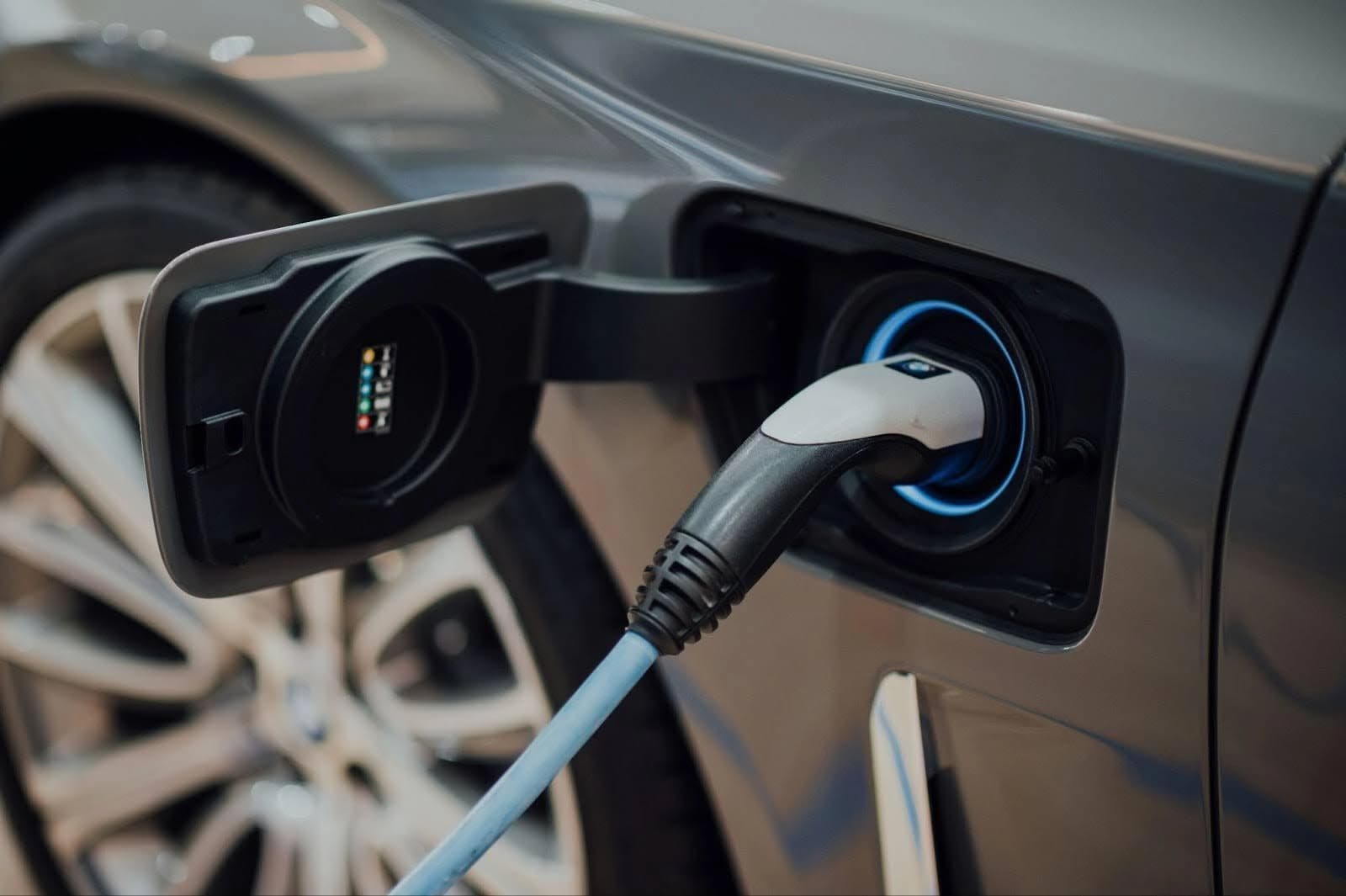
Blink Charging, one of the largest public EV charging operators, filed for Chapter 11 bankruptcy today after years of mounting losses caught up with a business model best described as "light things on fire and hope someone pays eventually." The company operated approximately 35,000 charging stations before filing, making it one of the largest networks behind Tesla's Supercharger, Electrify America, and EVgo. Now it's one of the largest cautionary tales about how difficult EV infrastructure actually is when you remove VC subsidies and try operating profitably. Spoiler: extremely difficult.
Blink's filing cites $420 million in debt, declining revenues as competition intensified, and the fundamental impossibility of maintaining 35,000 chargers that break constantly while charging prices customers will pay. The business model relied on station ownership, franchise agreements, and service contracts—throwing every revenue stream at the wall to see what stuck. What stuck was losses. Quarterly losses. Annual losses. Cumulative losses approaching $500 million over the company's public lifetime. But impressive deployment numbers matter, right? No. They don't.
Problems plaguing Blink are endemic to the entire industry, sustained by government grants, manufacturer investments, and investor capital that didn't care about profitability timelines. Build networks, capture market share, achieve scale, figure out profitability later—that was the strategy. Except "later" arrived, and public EV charging unit economics remain stubbornly terrible. Equipment costs are high, utilization is low outside high-traffic locations, maintenance expenses are constant, and electricity prices increased dramatically. Meanwhile, customers expect reliable, fast, cheap charging—a combination that doesn't generate positive cash flow.
Blink's reliability became particularly painful. While Tesla's Superchargers post 95%+ uptime, third-party networks like Blink struggled to maintain 80%. Stories of broken chargers, payment failures, and customer service nightmares littered social media, creating reputation problems that drove customers toward alternatives. When Electrify America—not known for perfect reliability—becomes preferred because at least their chargers usually work, you've got serious operational issues. Issues that cost money Blink didn't have because they'd burned cash for years with no profitability path.
The bankruptcy comes at an awkward time. The federal government's $7.5 billion charging buildout is finally deploying funds, with states selecting vendors for highway corridors. Blink won several contracts for federally-funded stations, now in limbo pending bankruptcy. Taxpayer money allocated for infrastructure might fund a Chapter 11 company, or contracts might need re-bidding, delaying deployments by months or years. Government efficiency at its finest.
What happens to Blink's 35,000 chargers remains unclear. The filing indicates reorganization attempts rather than liquidation, theoretically keeping chargers operational. But reorganizations rarely go smoothly, and maintenance budgets get slashed immediately. Expect increasing failures, longer repairs, and declining service as costs get cut. Some stations will be sold to competitors or deactivated if unprofitable. EV drivers relying on Blink should identify alternatives now before preferred stations go dark.
The bankruptcy exposes how fragmented and unstable EV charging remains. Unlike gas stations with well-established business models, EV charging is still figuring out basic operational economics. Make money on sessions or use charging as a loss leader? Own equipment or franchise? Fast charging only or mixed? Subscriptions or pay-per-use? Nobody's cracked the code, meaning more bankruptcies and consolidation are inevitable as the market shakes out unprofitable operators.
Tesla's Supercharger success—now opening to non-Tesla EVs—casts harsh light on everyone else's struggles. Tesla built their network specifically for their vehicles, integrating charging into ownership rather than treating it as a standalone profit center. They had vertical integration advantages, designing vehicles and chargers together for reliability and user experience. Third-party networks tried serving every EV with industry-standard plugs that were anything but standard, leading to compatibility headaches Tesla mostly avoided. Building infrastructure is easier when you control the entire ecosystem.
For EV adoption, Blink's bankruptcy is a setback but probably not catastrophic. The market is competitive enough that others will absorb customers, though potentially at higher prices or reduced coverage in less profitable areas. The bigger concern is the signal: if one of the largest public networks can't achieve profitability after years and billions in investment, what does that say about the entire third-party charging industry? Either business models need radical revision, subsidies continue indefinitely, or we're headed for dramatic consolidation. None of those options are encouraging for customers who just want reliable charging that doesn't require a Ph.D. to navigate.
The bankruptcy ultimately reveals an inconvenient truth: building EV infrastructure was the easy part. Operating it profitably while maintaining reliability and customer satisfaction is the hard part nobody's figured out except Tesla, who had the luxury of getting it wrong for years without justifying existence to shareholders quarterly. Blink tried to speedrun deployment without nailing fundamentals, burned cash faster than generating revenue, and discovered non-working chargers don't generate income. It's a lesson the entire industry will learn over the next few years, one bankruptcy at a time. Should be fun to watch from a safe distance. Like, from a gas-powered car where refueling has been figured out for a century.