Battery Power Plays: LG’s $1.4B Mercedes Deal and China’s 69% Grip on EV Cells
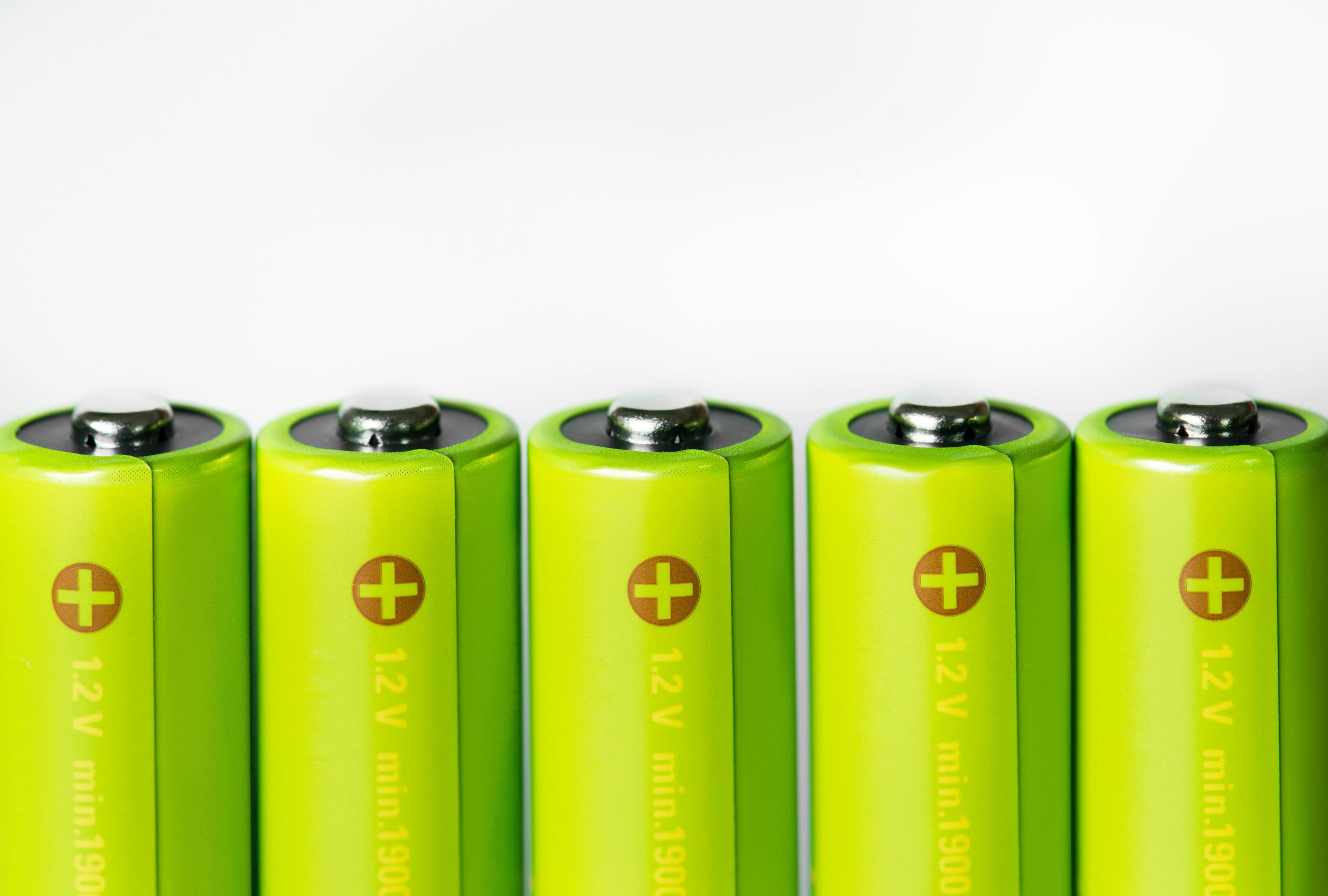
If you thought the internal combustion engine wars were intense, welcome to the Battery Wars. The ammunition here isn’t horsepower or displacement; it’s gigawatt-hours and supply chain contracts. And folks, the latest salvo has just been fired. LG Energy Solution, the South Korean battery titan, has inked a massive $1.4 billion deal to supply Mercedes-Benz with EV batteries for the North American and European markets from 2028 to 2035.
This is a big deal. Literally. $1.4 billion buys a lot of lithium and peace of mind. For Mercedes, this is about securing the future. As they pivot toward an electric lineup, they need to know that when they press the "build" button in 2030, there will actually be a battery to put in the car. Relying on the spot market for batteries is a recipe for disaster, so locking in a long-term partner like LG is a strategic necessity. It ensures that the luxury EVs of the future will have the juice to back up the three-pointed star on the grille.
But let’s zoom out for a second, because the context here is wild. While LG and Mercedes are popping champagne, new reports indicate that China now controls roughly 69% of the global EV battery market. That is not a typo. Nearly 70% of the batteries powering the world’s electric transition are coming from companies like CATL and BYD. This is dominance on a scale that makes OPEC look like a neighborhood homeowners association.
This dominance is driven by economies of scale that are hard to comprehend. Chinese manufacturers have vertically integrated their supply chains, from the mines to the cell production, allowing them to drive costs down relentlessly. It’s impressive engineering and logistical mastery. However, it also creates a massive headache for Western policymakers and automakers who are terrified of being too dependent on a single geopolitical rival.
That is why you see European leaders scrambling. They are currently weighing policy adjustments and support programs to try and keep their domestic battery industries competitive. The fear is that if they can’t build their own batteries, their entire automotive sectors—which employ millions—will become mere assembly plants for Chinese tech. The LG-Mercedes deal is a part of this counter-move. It’s an attempt to diversify, to build a supply chain that is resilient and arguably more "Western-friendly," even if LG is Korean.
For the consumer, this geopolitical chess match actually matters. It affects the price of the EV in your driveway. If competition heats up and supply chains diversify, costs should come down and innovation should go up. We want LG fighting CATL for market share because that means better batteries, longer range, and faster charging for all of us.
So, while a $1.4 billion contract sounds like dry business news, it’s actually the sound of the industry trying to balance the scales. Mercedes is betting big on LG to keep them in the game. Meanwhile, the Chinese giants are continuing to sprint ahead. It’s going to be a fascinating race to watch, and the winner gets to power the future of transportation. Just remember, the next time you plug in your car, there is a global power struggle happening inside that charging cable.