Automakers Are Quietly Killing Base Trims, and It’s Changing How Cars Are Bought
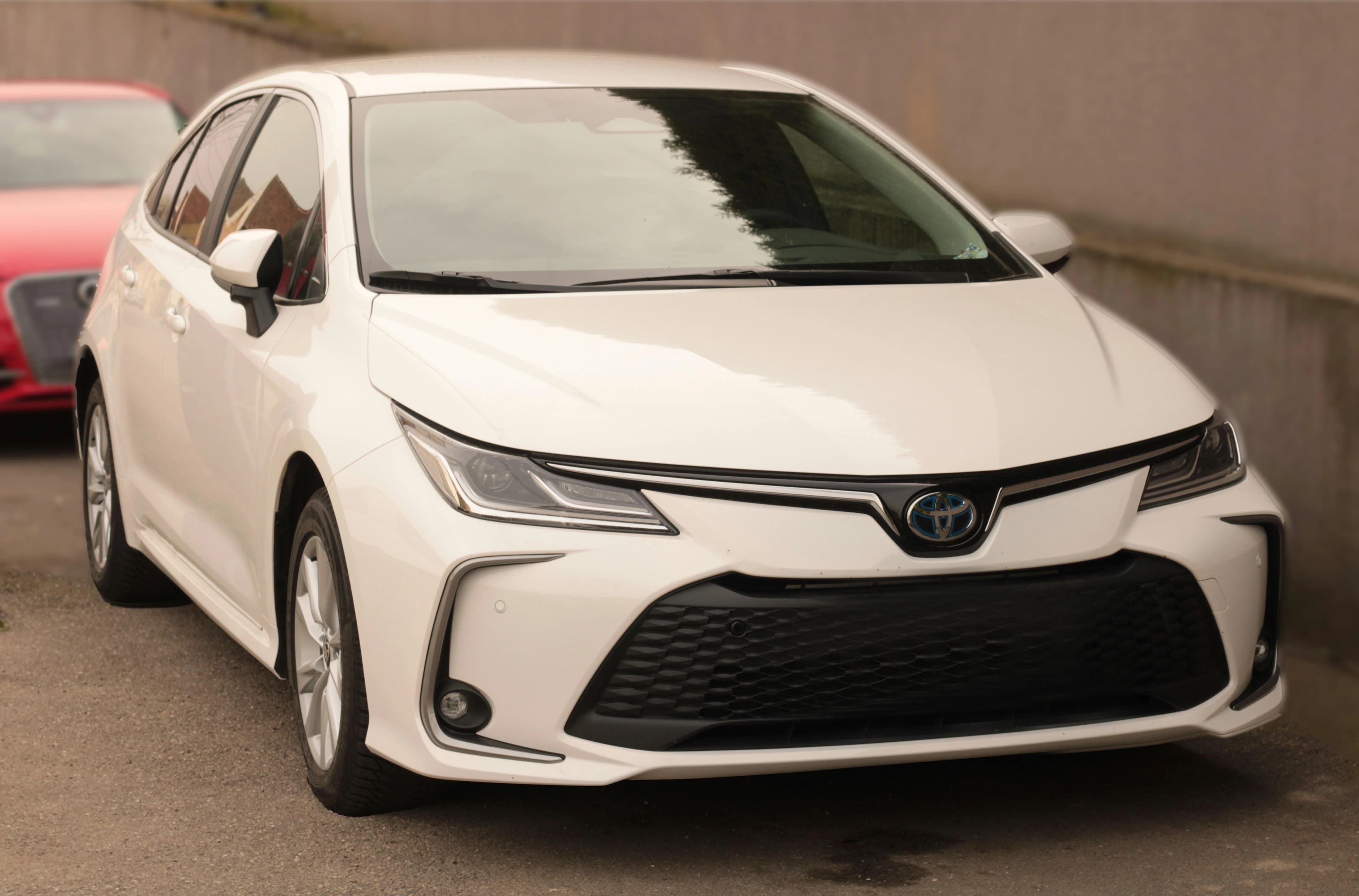
Open any automaker's website right now. You’ll be greeted by a hero image of a shiny new vehicle and a price tag that says "Starting At $24,995." It looks affordable. It looks accessible. It is also, increasingly, a complete work of fiction. Across the entire automotive industry, the "Base Trim"—that steel-wheeled, cloth-seat entry model that anchors the marketing price—is being quietly euthanized.
It’s not that these cars don't exist on paper. They do. They have spec sheets, EPA ratings, and configurator pages. But manufacturers are building them in such infinitesimally small numbers that they might as well be unicorns. Try to find a base Ford Maverick XL Hybrid. Try to find a base model Porsche Macan with zero options. Try to find a Toyota Tacoma SR that isn't already sold. You will find that order banks for these trims are often "closed" or that production dates are pushed back indefinitely, while the expensive "Premium," "Lariat," or "Touring" trims are readily available.
This is a strategy known as "mix management," but a better term would be "Trimflation." The logic is simple economics. The profit margin on a base model car is razor-thin. Sometimes, manufacturers barely break even on them. But the margin on the top-trim version? It’s massive. When you move up the ladder, you aren't just paying for the leather seats and the bigger screen; you are paying pure profit. The manufacturing cost difference between a base trim and a top trim is often a few thousand dollars, but the price difference to the consumer can be $15,000 or more.
By restricting the production of base models, automakers force buyers up the ladder. A shopper enters the market with a $25,000 budget, realizes the $25,000 version of the car is "unavailable due to supply constraints," and eventually capitulates and buys the $32,000 version because they need a car now. It allows automakers to raise the average transaction price (ATP) without ever officially raising the MSRP, keeping their marketing looking competitive while boosting their bottom line.
Dealers are complicit in this, too. They have limited lot space. Why would they want to use a precious allocation spot for a base model that makes them $800 in front-end gross profit when they could stock a loaded model that makes them $3,000? They wouldn't. So they don't order them.
This is changing the fundamental accessibility of new cars. The "entry-level" vehicle is disappearing. For the frugal enthusiast or the fleet buyer, this is a tragedy. The honest, unpretentious work truck or the simple commuter car is becoming an endangered species, replaced by vehicles laden with high-margin tech and luxury features that not everyone wants but everyone has to pay for. The advice for shoppers? If you want a base model, you need to be prepared to hunt. Search nationally, be willing to travel, and place orders with high-volume dealers who might actually get an allocation.