Are You Making the Biggest Mistake in the Showroom?

We live in an era where car configurators are basically high-stakes RPGs. You start with a sensible $35,000 sedan and, after thirty minutes of clicking boxes for ambient lighting, 22-way massaging seats, and a panoramic roof that turns opaque with a gesture, you are looking at a $58,000 invoice. We have been conditioned to believe that the base model is a punishment. It is the car for people who forgot to check their credit score or the rental fleet at a regional airport.
However, there is a quiet, mechanical dignity in the entry-level trim that the tech-heavy flagship simply cannot match. While the Ultimate or Platinum editions are busy depreciating, the humble base model sits on the driveway like a stoic monk. It does not have a screen the size of a surfboard. It does not try to scent the cabin with Himalayan Sea Salt. It just works.
If you want to win the car-buying game, you have to stop looking at what you are gaining with those high-end packages and start looking at what you are losing. Mostly, you are losing money and your mind.
The Depreciation Cliff is Steeper for the Fancy
The most expensive words in the English language might be Fully Loaded. When a car hits the used market four years down the road, the secondary buyer is usually looking for a reliable, affordable tool. They want a car that starts every morning and has functioning air conditioning.
The market has a funny way of leveling the playing field. While you paid a $12,000 premium for the top-tier trim when the car was new, the used market might only value those extras at a few hundred bucks. A used car buyer will pay for the engine and the badge. They rarely pay a premium for the fact that your car has heated rear seats and a head-up display that stopped being compatible with modern smartphones two years ago.
When you buy the base model, you are buying the meat of the car. You are paying for the chassis, the safety engineering, and the powertrain. These are the components that hold value. The electronic fluff is essentially a consumable. It is like buying a high-end smartphone and expecting the gold-plated case to double its resale value in five years. It does not happen. By opting for the simpler trim, you avoid the massive depreciation hit that hits the luxury features first and hardest.
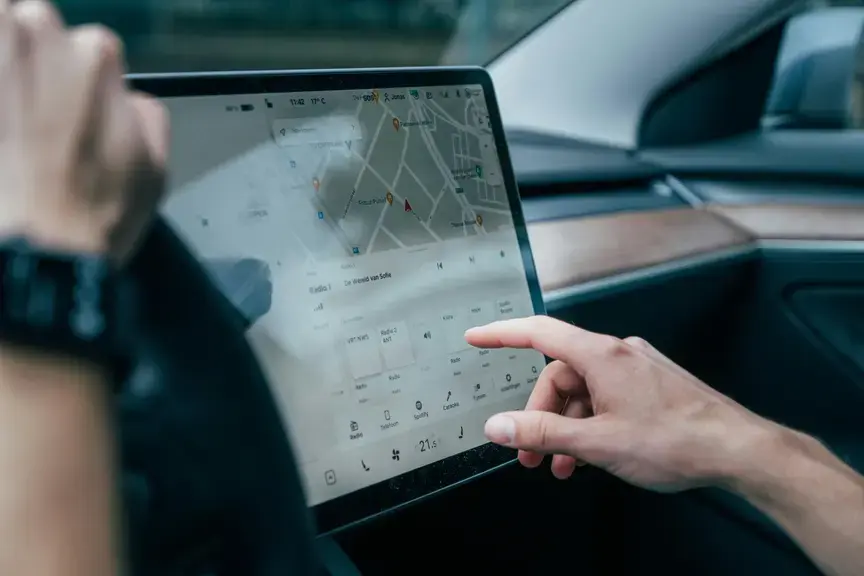
Your Dashboard is Not an iPad
Modern infotainment systems are currently engaged in an arms race that nobody actually asked for. We have moved away from tactile buttons and toward massive touchscreens that require three sub-menus just to adjust the fan speed. The top-trim models often come with these integrated, proprietary systems that look stunning in a showroom but age like milk in a hot sun.
The base model usually sticks to the basics. You get a smaller screen, sure, but it often comes with something much more valuable: physical knobs. There is a specific kind of ergonomic joy in being able to adjust the volume or the temperature without taking your eyes off the road to navigate a laggy interface.
Furthermore, high-end infotainment systems are a ticking time bomb of software obsolescence. As processors get faster and apps get heavier, that integrated system in the Ultimate trim will eventually start to stutter. It will feel like trying to run the latest video games on a laptop from 2014. The base model, with its simpler architecture and reliance on standard smartphone mirroring, bypasses this headache entirely. You are not buying a computer that happens to have wheels; you are buying a car that understands its primary job is transportation.
Complexity is the Enemy of Longevity
There is an old engineering adage that says what is not there cannot break. In a base model, there are no air suspension bags to leak. There are no motorized door handles to freeze shut in the winter. There are no massaging seat motors to burn out.
When you step up to the highest trim levels, you are adding thousands of points of failure. These are not failures that happen during the warranty period, either. They happen in year six, right when you are trying to enjoy the fact that the car is finally paid off. Fixing a broken sensor for an automated parking system can cost more than a full set of tires.
The enthusiast knows that a lighter, simpler car is often a better-driving car. Large sunroofs add weight at the highest point of the vehicle, which is the worst place for it if you care about handling. Massive 20-inch wheels with low-profile tires might look aggressive, but they ruin the ride quality and are far more susceptible to pothole damage. The base model usually comes with more sidewall on the tires and less weight in the rafters. It is the purer expression of what the engineers actually intended before the marketing department got involved.
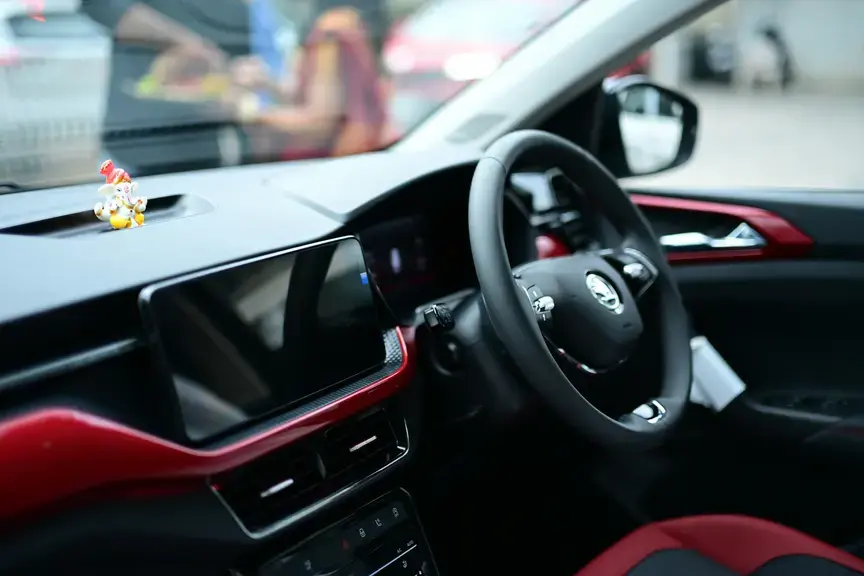
The Myth of the Plastic Interior
People often avoid base models because they fear the sea of gray plastic. They want the leather-appointed surfaces and the open-pore wood trim. But here is a secret: modern synthetic materials are incredibly durable. The cloth seats in a base model will likely look better after a decade of use than the thin, perforated leather in the luxury trim. High-end interiors require constant maintenance to avoid cracking and staining. The base model interior can be cleaned with a damp cloth and a bit of enthusiasm.
There is also a psychological freedom that comes with the base model. You are less worried about a small scuff on the door panel or a bit of dirt on the floor mats. It is a car, not a museum piece. This lack of preciousness allows you to actually use the vehicle for its intended purpose: living your life. You can throw a mountain bike in the back or take the dog to the park without a looming sense of existential dread regarding the resale value of your premium hide upholstery.
Outsmarting the Sales Floor
The automotive industry is designed to nudge you toward the higher margin products. Dealerships rarely keep the true base models in stock because the profit is in the packages. They want you to see the shiny one with the ambient lighting because it triggers the lizard brain.
To buy the boring car, you have to be disciplined. You have to realize that the joy of a heated steering wheel lasts about three minutes on a cold morning, while the joy of a lower monthly payment and lower insurance premiums lasts for years.
When you skip the tech-heavy trim, you are making a statement that you understand the difference between value and price. You are choosing a tool that serves you, rather than a gadget that demands your attention and your wallet. The base model is the thinking person's choice. It is the car for people who would rather spend their money on the destination than the depreciation.

The Enthusiast's Loophole
Many of the best driving cars in history were the ones with the fewest options. Think of the original MGs or the early 911s. They were focused. Today, the base model is often the closest you can get to that focused experience. It is the lightest version of the car. It has the simplest suspension setup. It feels more connected because there are fewer electronic layers between you and the mechanical reality of the machine.
Next time you are looking at a new car, do yourself a favor. Ignore the trim with the fancy name and the glowing badges. Look for the one with the honest wheels and the physical buttons. You will save a fortune, avoid a decade of software updates, and likely end up with a car that you actually enjoy driving rather than just operating.
The base model is not boring. It is liberated. It is the smartest way to own a modern vehicle in a world that is trying to turn every car into a subscription-based rolling smartphone. Stick to the basics, keep your 40 percent, and enjoy the silence of a dashboard that doesn't try to talk back to you.