Apple CarPlay Is Eating the Dashboard, and Automakers Look Nauseous
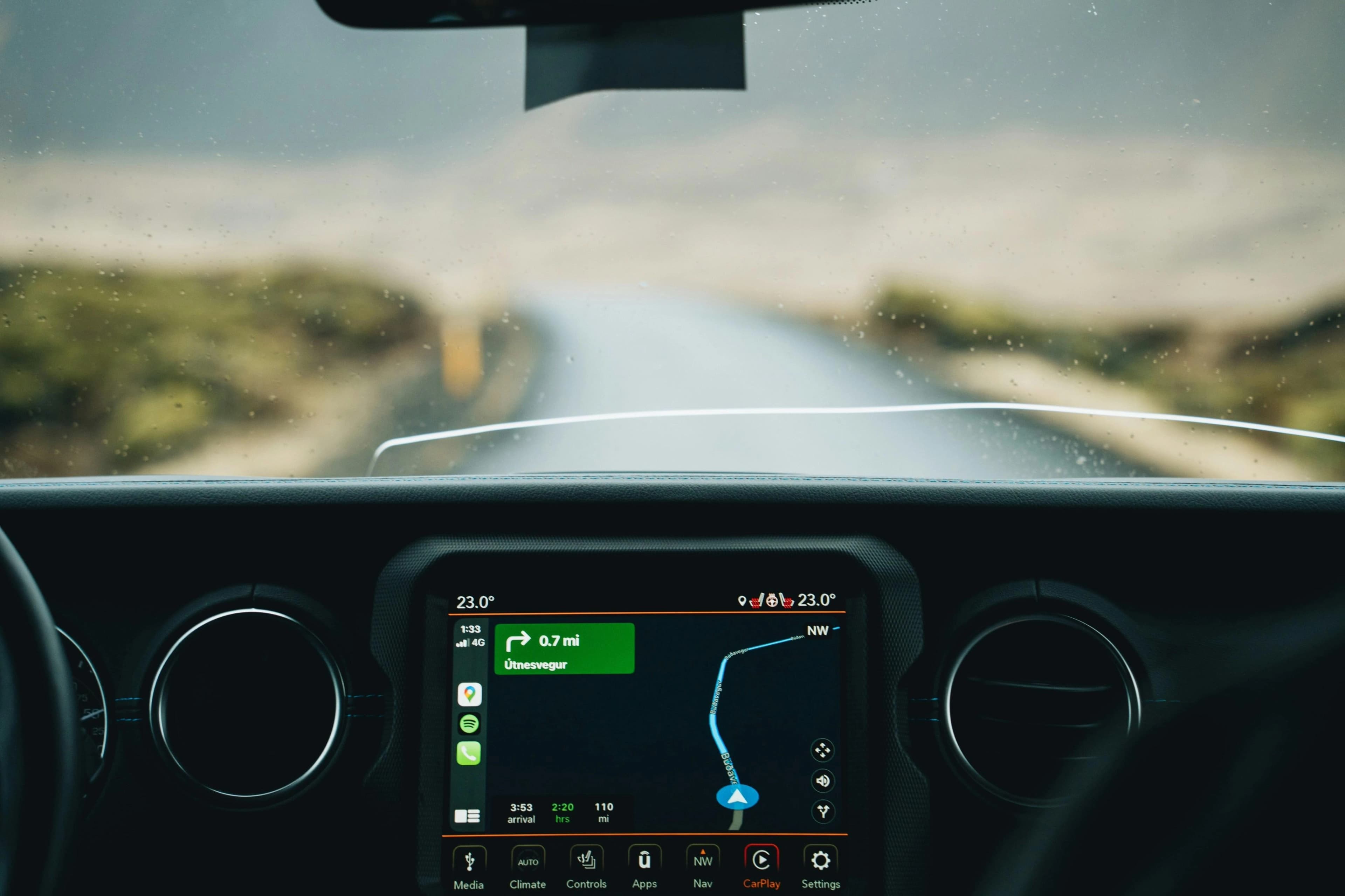
If you were lurking in automotive design forums or listening to engineering chatter in late December, you heard the noise. It wasn't the sound of an EV motor or a V8 rumble; it was the collective groan of product planners staring at Apple’s next-generation CarPlay. The tech giant’s bid to take over every screen in the car—from the infotainment center to the gauge cluster—is forcing a massive, awkward reckoning in the auto industry.
For years, the relationship between phone makers and automakers was a polite truce. You plugged in your phone, a little window popped up with Spotify and Maps, and the car company kept control of the rest. Everyone stayed in their lane. But the new evolution of CarPlay doesn't want a lane; it wants the whole highway. It aims to render the speedometer, the HVAC controls, and the tire pressure monitors in Apple’s own typeface and design language.
On the surface, this sounds great for consumers. Apple’s UI designers are, generally speaking, better at this than the guys who designed the infotainment system in your 2018 hatchback. We all love consistency. We love that our podcasts resume exactly where we left them.
But for automakers, this is an existential crisis wrapped in a lightning cable.
If an automaker hands over the entire visual identity of the cabin to a phone company, what do they have left? The steering wheel logo? When you sit in a Porsche, a Honda, or a Ford, the manufacturer wants you to feel like you are in their machine, immersed in their heritage and design ethos. If every car just looks like an iPhone with wheels once you turn the key, the brand equity dissolves. You are no longer driving a BMW; you are driving a generic vessel for iOS 19.
This late-year chatter highlights a serious fork in the road. Some manufacturers are going all in, betting that buyers care more about their digital ecosystem than the car’s native interface. Others, like GM, have famously tried to pull the plug entirely, a move that went over with enthusiasts about as well as a lead balloon. The current debate isn't just about aesthetics; it is about long-term dependence.
Think about the longevity of the vehicle. A car is built to last 15 or 20 years. A phone operating system is built to last until the next update slows it down. If your car’s entire instrument cluster relies on a handshake with a phone that won't exist in five years, what happens to the second or third owner? We are risking a future where perfectly good mechanical machines are bricked or severely hobbled because the software partnership soured or the hardware moved on.
There is also the safety argument. Automakers spend years validating their gauge clusters for visibility, glare, and latency. Handing that real estate over to a third party introduces variables that make safety engineers twitchy.
The chatter heading into 2026 suggests we are entering an awkward teenage phase of car design. We are going to see some weird compromises. You will see screens that look disjointed, fighting for dominance between the car’s native OS and the phone projection. You will see buttons disappear only to be replaced by touch controls that lag.
For the buyer standing on the showroom floor right now, the advice is caution. Don't just check if the car has CarPlay. Check how deep the roots go. If the integration feels seamless, great. But if it feels like the car has been hollowed out to serve the phone, you might want to ask yourself how that setup is going to age. We are all addicted to our phones, but maybe—just maybe—the car should be the one place where the machine still has a soul of its own.