Another Year, Another Broken Roadster Promise
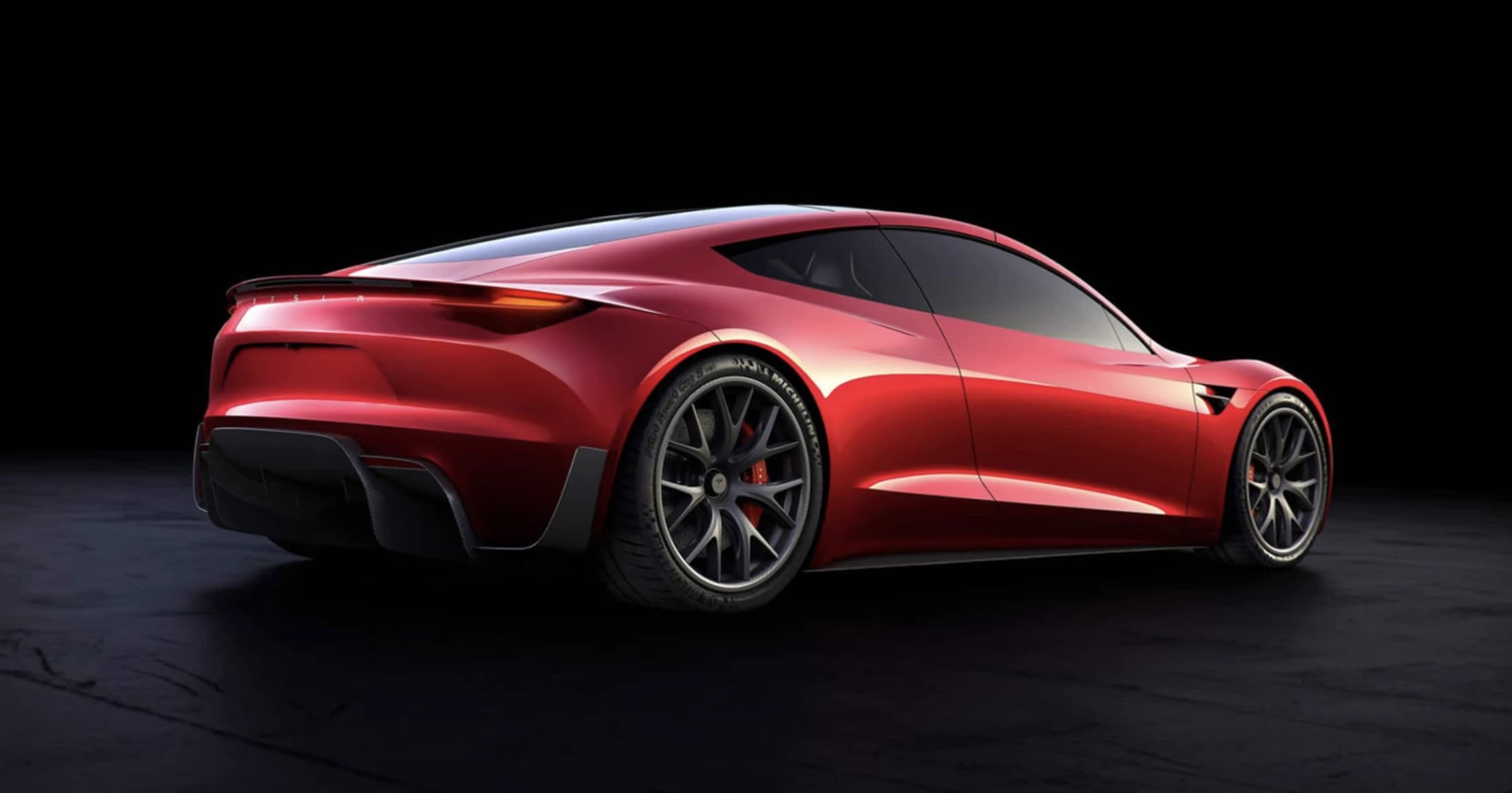
Image courtesy of Tesla
The automotive world was essentially a different planet back in late 2017. That was the year when a bright red electric supercar rolled out of the back of a semi truck to the sounds of a cheering crowd and a very confident Elon Musk. We were told that the Tesla Roadster was going to be the final nail in the coffin for internal combustion. With a promised top speed of over 250 miles per hour and a sprint that challenged the laws of physics, it was the vehicle that made electric power look like the ultimate winner. Back then, the delivery date was set for 2020. But as we sit here in March 2026, the only thing that has been delivered is a masterclass in moving goalposts and managing expectations via social media.
This week, the cycle of hype and disappointment took another turn. Musk confirmed on X that the long-promised reveal event for the second-generation Roadster is getting pushed back yet again. For those who have been keeping track, the unveiling was supposed to happen on April 1, 2026. Musk had previously joked that the choice of April Fools Day gave him the perfect amount of deniability if the event did not actually happen. He could simply claim that he was just kidding all along. It turns out that the joke is now on the enthusiasts and reservation holders who have been waiting nearly a decade for a car that seems to exist mostly in the form of rendering and hyperbole. The new target for the reveal is now late April, though history suggests we should take that date with a massive grain of salt.
The promises surrounding the Roadster have only grown more outlandish as the years have passed. We are no longer just talking about a fast car; we are talking about a car that might actually hover. Musk has repeatedly hinted at a SpaceX thruster package that would use cold air gas thrusters to improve acceleration and potentially allow the car to fly for short periods. While the idea of a flying Tesla sounds like something out of a science fiction novel, the practical engineering required to make that work safely on a public road is staggering. Most industry experts are skeptical that a production vehicle can incorporate rocket technology without running into a massive wall of regulatory and safety hurdles. Yet, Musk continues to promise that the demonstration will be a banger and something that will be mind blowing for the entire industry.
However, a quick look behind the curtain at Tesla suggests that the manufacturing reality is far less explosive than the marketing. Recent job listings for the company show that they are still actively recruiting manufacturing engineers specifically for the Roadster project. These roles are focused on things like concept development and the initial launch of battery manufacturing equipment. In the world of high-scale car production, hiring for concept development in 2026 is a giant flashing sign that the car is not anywhere near ready for a showroom floor. If you are still figuring out the basic concepts of how to build the battery in 2026, then a production date of 2027 or 2028 is a much more realistic timeline than anything Musk is currently tweeting about.
The landscape for high-performance electric vehicles has changed dramatically since the Roadster was first shown. In 2017, Tesla was the undisputed king of the hill. Today, they are facing stiff competition from brands like Rimac, which already has cars on the road setting world records. Even traditional luxury manufacturers like Ferrari are deep into the development of their own electric flagship models. The Roadster needs to be more than just a fast electric car to stand out in 2026; it needs to be a revolutionary leap forward. Every delay gives the competition more time to catch up and potentially surpass what Tesla originally promised. The danger for Tesla is that the Roadster might arrive as a relic of a previous era rather than the herald of a new one.
For the people who put down 50,000 dollars or more for a reservation nearly ten years ago, the patience is understandably wearing thin. There is a sense that the Roadster has been repeatedly sacrificed to focus on higher-volume models like the Model 3 and the Cybertruck. While that makes sense from a business perspective, it is a tough pill to swallow for the fans who believed they were buying into the future of performance. The Roadster was supposed to be the halo car that defined the brand. Instead, it has become a symbol of the challenges that even a market leader faces when trying to push the boundaries of what is possible.
Ultimately, we are all still rooting for the Roadster to be the game changer it was promised to be. We want to see the rocket thrusters and the sub-one-second sprint to sixty. But we also want to see a car that can actually be manufactured and sold to the public. Until Tesla can prove that they have moved past the concept phase and into the production phase, the Roadster will remain a beautiful dream that is always just one month away. We will be watching closely in late April to see if the curtain finally rises, but we will not be surprised if the date slips again.