America's EV Charger Shortage Is Getting Real Bad, Real Fast
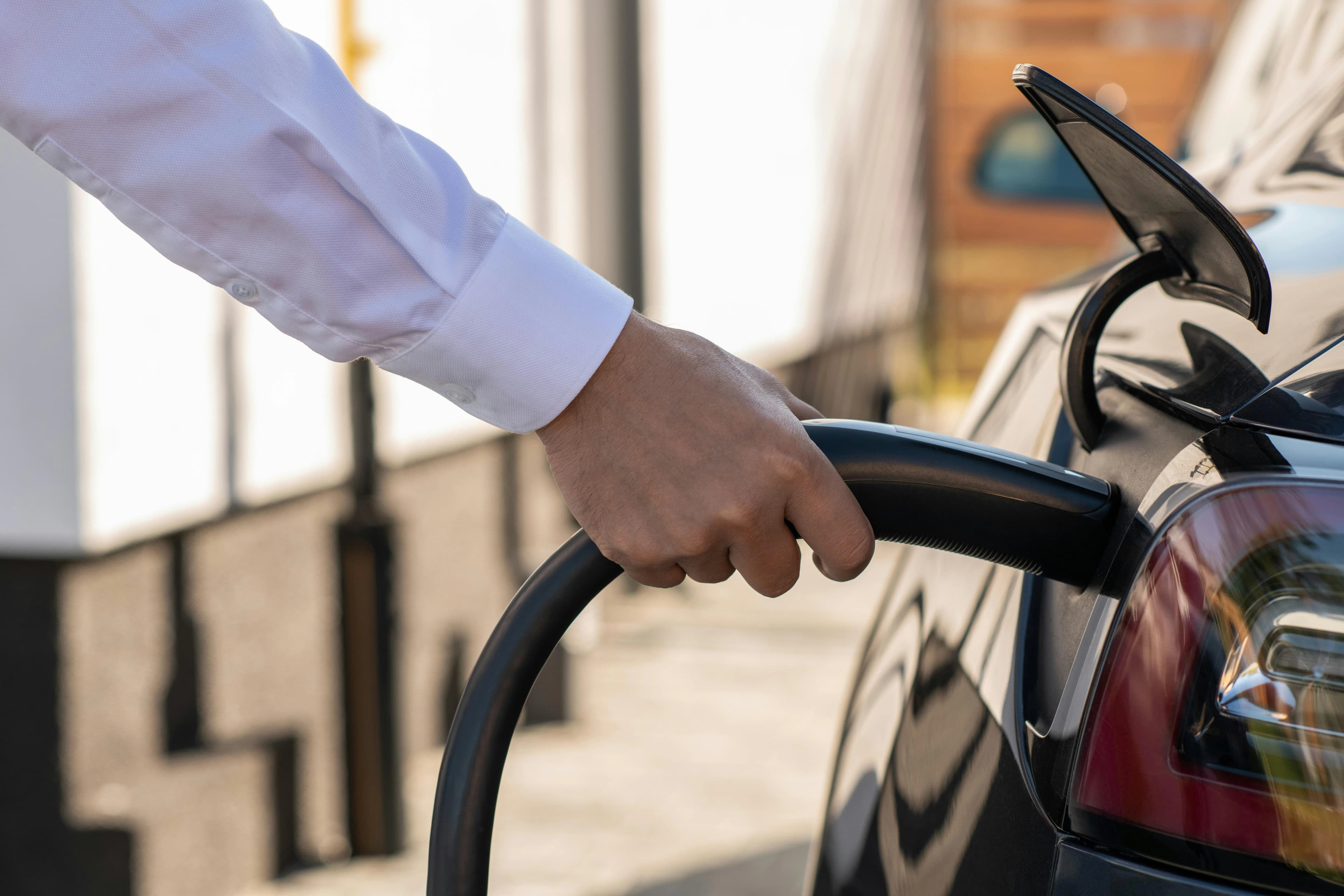
Here's an uncomfortable truth about America's electric vehicle revolution: we're selling EVs significantly faster than we're building charging infrastructure to support them, and the math is getting worse by the month. The country now has over 6 million electric vehicles on the road, but only about 204,000 public chargers to service them. That's roughly 30 EVs per public charger, and the ratio is heading in the wrong direction.
Current deployment numbers sound impressive in isolation. From 2019 to 2024, public charging infrastructure grew at roughly 25 percent annually, with more than 40,000 new chargers deployed in 2024 alone. But EV sales are growing faster, and industry projections show we need approximately 2.4 million public and workplace chargers by 2030 to support an estimated 27 million EVs. We're not remotely on pace.
Break down current infrastructure and gaps become glaring. The nation has 153,000 Level 2 chargers providing slower AC charging, and 51,000 DC fast chargers for rapid charging. By 2030, estimates suggest we need 900,000 public Level 2 chargers, 1.3 million workplace chargers, and 180,000 DC fast chargers.
Geographic distribution is predictably terrible. California leads with over 40,000 public chargers, accounting for roughly 20 percent of all public charging despite having 12 percent of the population. Meanwhile, Wyoming and Alaska each have fewer than 100 public chargers covering vast territories. The disparity means EV ownership is dramatically more practical in coastal states than in rural America or the Midwest.
Even within states, charging infrastructure concentrates in wealthy urban areas while lower-income communities get left behind. This isn't just equity issue, it's practical barrier to widespread adoption. People in apartments or condos without dedicated parking face particularly steep challenges, since home charging accounts for about 75 percent of EV charging.
The federal government has thrown $7.5 billion at this problem through the National Electric Vehicle Infrastructure program to build fast charging stations along designated highways. That investment will help, particularly for long-distance travel. Studies show if all designated highways receive fast chargers as planned, 94 percent of US counties will reach at least 75 percent fast charger coverage. But that leaves rural counties underserved.
Private sector commitments have been substantial. Charging providers, automakers, and retailers have announced plans to deploy 164,000 new DC fast chargers and 1.5 million new Level 2 chargers in coming years. Combined with potential additional government and utility deployments, announced numbers look promising on paper. But announcements and actual installations are different things.
The economic challenge for charging infrastructure is brutal. DC fast chargers are expensive to install and operate, accounting for 66 percent of total charging infrastructure investment despite being only seven percent of chargers. They provide 57 percent of public charging energy, making them critical, but utilization rates needed for profitability are hard to achieve in many locations.
Charging anxiety has replaced range anxiety as primary barrier to EV adoption for many consumers. Modern EVs have sufficient range for daily driving, with most offering 250-plus miles per charge. But concerns about finding available, functional chargers for longer trips remain legitimate. Unlike gas stations which are ubiquitous and standardized, charging networks are fragmented across multiple providers with varying reliability.
The reliability problem deserves emphasis. Studies have found concerning failure rates, with some networks showing 20 percent or more of chargers non-functional at any given time. Broken chargers, payment system failures, software glitches, and physical damage all contribute. When you pull up with 15 percent battery remaining, discovering chargers are broken isn't just inconvenient.
Workplace charging represents another massive gap. Current workplace charger deployment is minimal, but projections call for 1.3 million by 2030. That requires coordinated efforts between employers, property managers, utilities, and charging providers. Many workplaces lack electrical capacity for extensive chargers without expensive upgrades.
The investment required is staggering. Estimates suggest $28 billion needed from 2021 to 2030 just for public and workplace charging infrastructure. That level of investment requires sustained commitment from private companies, utilities, and government programs.