A Used Toyota Now Costs More Than a New One
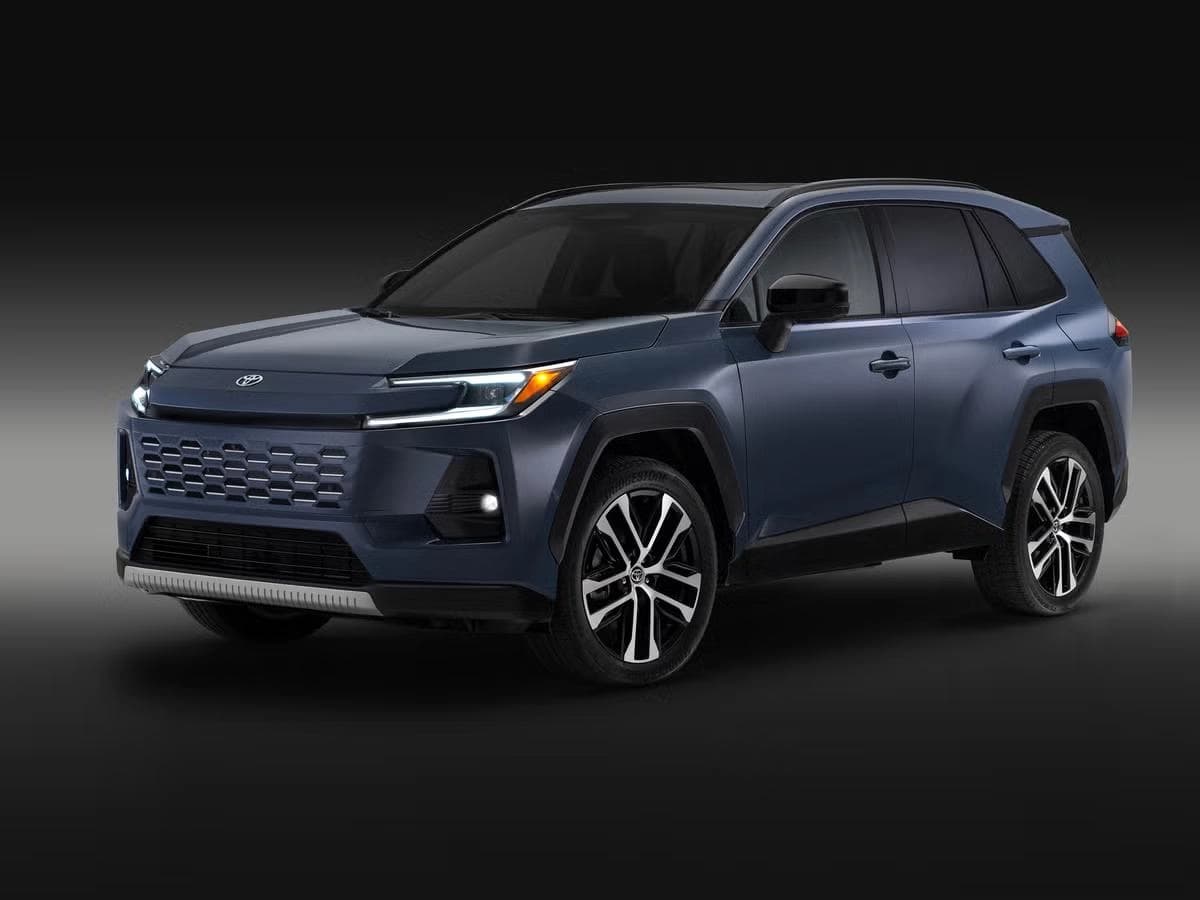
The fundamental law of automotive economics states that a vehicle loses a massive chunk of its value the absolute second you drive it away from the dealership lot. It is a harsh truth that every car buyer routinely accepts. Yet, the current pre-owned market is proving that some rules are meant to be broken, and the wildly popular Toyota RAV4 Hybrid is leading a full-scale economic rebellion. A sudden shift in consumer habits mixed with extreme supply chain constraints has created a bizarre landscape where a used crossover with thousands of miles on the odometer is commanding a higher price tag than a brand-new model sitting fresh on a showroom floor.
To comprehend how backwards things have become, one only needs to look at recent transactions across major digital used car platforms. National pre-owned retail giants like CarMax have listed two-year-old RAV4 Hybrid models with nearly thirty thousand miles for close to forty-seven thousand dollars. For context, that is thousands of dollars above the original window sticker price when the vehicle was built. Online retailer Carvana went even further, pricing a gently driven previous-year Limited trim model at over forty-eight thousand dollars. That represents a premium of more than six thousand dollars over its original manufacturer suggested retail price, and it thoroughly eclipses the cost of a pristine, brand-new current-model-year equivalent.
This pricing madness boils down to a classic combination of starved supply and skyrocketing demand. On the supply side, the new car market is struggling to keep pace with consumer appetites. Toyota recently reported having less than a five-day supply of new RAV4 models available across dealership floors nationwide. Compare that to the wider automotive industry, which currently enjoys a much healthier sixty-two days of inventory. Because Toyota recently retooled several manufacturing facilities to transition the model line into a hybrid-only platform, initial production output has moved at a crawl. When the new vehicle lot is completely empty, desperate buyers flock to the pre-owned market, driving up prices in fierce bidding wars.
The demand side is being fueled by clear pain at the pump. Recent geopolitical conflicts have disrupted energy markets, driving the national average for a gallon of regular gasoline well past the four-dollar threshold. As monthly fuel bills mount, American shoppers are frantically looking for ways to cut costs without sacrificing the practical utility of a family vehicle. While full electric options exist, many buyers remain hesitant due to charging infrastructure anxieties, making highly reliable, fuel-sipping hybrids the ultimate prize. The RAV4 Hybrid delivers an impressive forty-one miles per gallon in urban environments, making it an incredibly smart financial shield against rising fuel costs, provided you can actually track one down.
Navigating an unpredictable pre-owned market like this requires serious caution. When vehicles are trading hands for historical premiums, buyers cannot afford to make a blind mistake. If you find yourself hunting for a dependable hybrid in this competitive environment, leveraging a comprehensive platform like OptiCar can streamline your search across millions of national listings. To protect your investment, a thorough inspection tool like OptiCar reports can provide essential peace of mind by revealing full vehicle histories and utilizing advanced visual analysis to spot past cosmetic or structural damage before you pay a steep premium.
Fortunately, consumers who refuse to participate in this used vehicle premium frenzy do have alternative paths. If you are willing to look past the iconic Toyota badge, competing manufacturers are offering highly capable alternatives without the staggering wait times or inflated prices. For instance, a brand-new Honda CR-V Hybrid with all-wheel drive can be secured for under forty thousand dollars, which easily undercuts the inflated prices of those heavily driven pre-owned Toyotas. While Toyota production lines are projected to ramp up later this year and eventually stabilize used vehicle valuations, the current market dynamic serves as an incredible case study in consumer psychology and the enduring premium placed on fuel efficiency.